
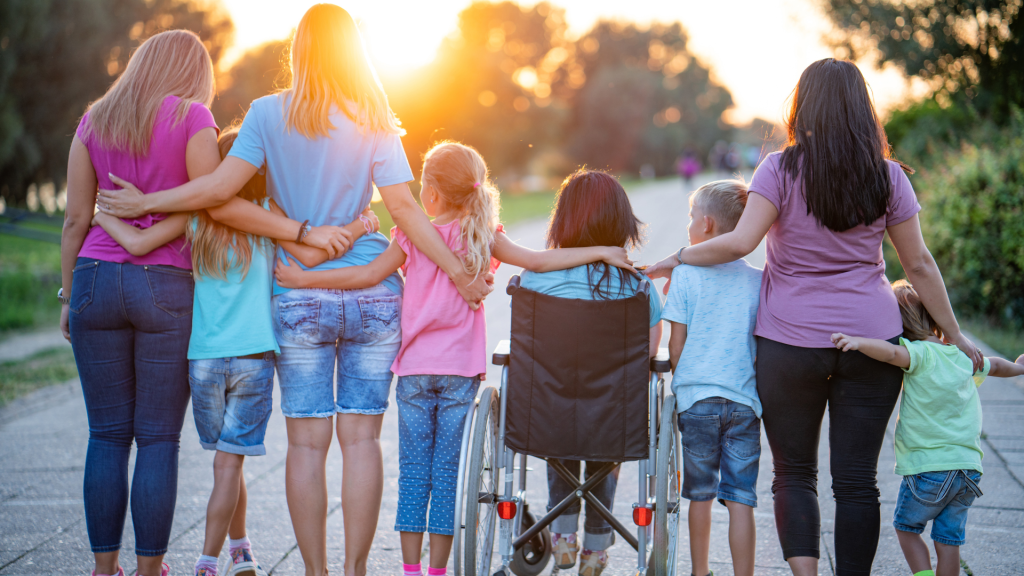
Understanding Disabilities and Their Impact
Disabilities come in many forms, affecting people's ability to participate in daily activities and social roles. They can be physical, like difficulty moving or using one's limbs, sensory, affecting hearing or vision, cognitive, impacting learning or understanding, or involve mental health. These challenges mean some people need different support to do everyday things, including enjoying tourism.
Accessible tourism is about making sure everyone, no matter their abilities, can explore and enjoy tourist spots. It's about providing ramps for wheelchairs, clear signs for those with hearing impairments, and experiences everyone can enjoy, like tactile exhibitions for the visually impaired. This approach not only helps those with disabilities but makes travel easier and more enjoyable for all, including older adults and families with young children.
Challenges in Creating Accessible Tourist Destinations
Despite the importance of accessible tourism, challenges remain. Many places still have physical barriers, lack of proper information, or services that aren't designed with everyone in mind. Transportation, accommodations, and attractions need thoughtful design to be truly welcoming for all travelers.
Progress Through Partnership
In a push towards inclusivity, the Estonia-Latvia programme proudly co-finances four projects aimed at improving accessibility at selected tourism sites in Estonia and Latvia. These initiatives target enhancing the travel experience across both countries, making nature trails, historical sites, and cultural attractions more accessible. By focusing on essential aspects like wheelchair-friendly paths and information available in accessible formats, we're moving closer to a tourism sector that welcomes everyone.
Making a Difference Together
We're dedicated to enhancing accessible tourism and encourage tourism providers, policymakers, and communities to pay close attention to this important topic. Simple steps, such as using clear, internationally understandable signs and considering the needs of people from diverse backgrounds, can make a big difference. Together, we can ensure that tourism in Estonia and Latvia can be enjoyed by everyone. By starting with small steps, working with pilot sites, and focusing on projects, we can promote the idea that incorporating accessibility aspects into our daily living environments should become a standard practice.
*********

