
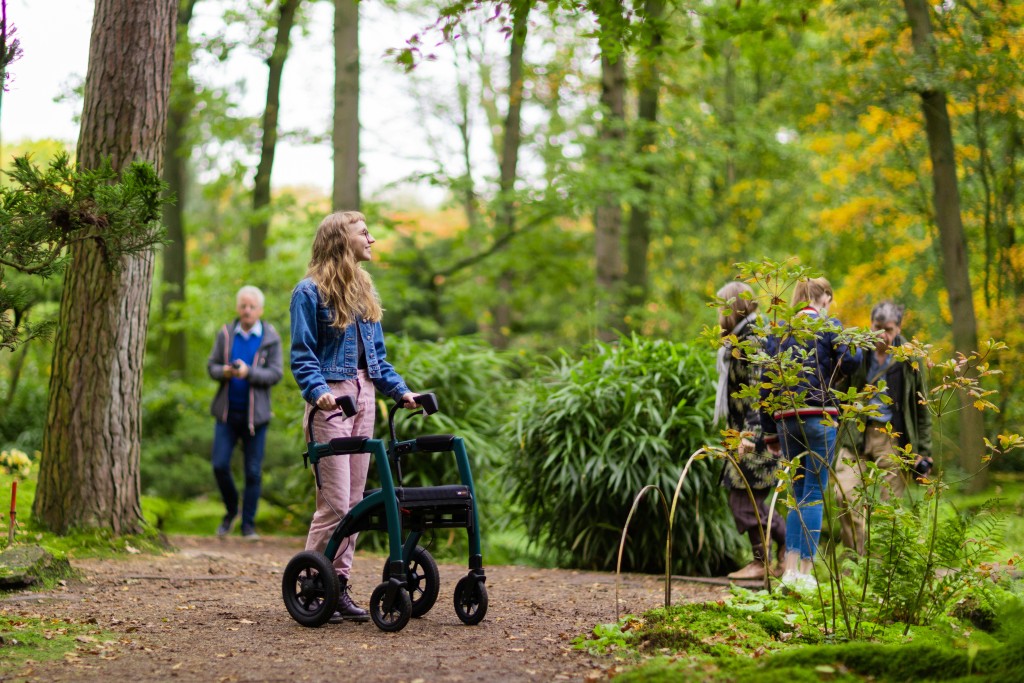
2021-2027 projects that lead the way to accessible and sustainable tourism
Within the 2021-2027 funding period, the Interreg VI-A Estonia-Latvia Programme is supporting projects which focus on making cross-border tourism more accessible and sustainable (Priority 4). The programme aims to foster new developments and improvements in existing tourism products, with a focus on smart and targeted marketing efforts. This includes enhancing cross-border tourism offerings based on thematic routes and brands that span various interests such as military, industrial, culinary, hiking, cycling, gardens, and culture. The overarching goal is to strengthen cross-border collaboration in the tourism sector, making it more sustainable and accessible for visitors.
The First Call for project proposals within the Estonia-Latvia programme was open from 7 November 2022 to 15 February 2023. In total 26 projects were approved and below are short summaries of four projects which were co-financed under priority 4: More accessible and sustainable cross-border tourism experience.
Selected projects for better tourism
| Access Routes |
|
| Accessible Hiking Trails | The "Accessible Hiking Trails" project aims to make outdoor activities like hiking more accessible and socially inclusive across Latvia and Estonia. It focuses on improving 16 sites on the Coastal Hiking Trail and the Forest Trail, involving organizations representing diverse social groups and experts to ensure relevance and usefulness of accessibility solutions. The project also includes training for service providers, improving the Hikers' Friendly sign with accessibility criteria, and marketing efforts emphasizing accessibility. This initiative is part of enhancing the cross-border tourism experience. |
| Garden Pearls II | The "Garden Pearls II" project builds on its predecessor to enhance the cross-border tourism product "Garden Pearls" by expanding its network with new sites and improving accessibility. It aims to develop a common standard for accessible garden tourism, launch an accessible online platform, and implement pilot initiatives to assess and enhance garden accessibility. This initiative addresses the need for more inclusive tourism options and incorporates social innovation into the design process. |
| Green Railway II | The "Green Railway II" project aims to further develop the cross-border tourism product "Green Railways," enhancing existing routes and adding new ones for improved accessibility. It focuses on making the tourism experience more inclusive by addressing accessibility for diverse groups, including those with disabilities. The project will implement seven pilot investments, improving trail design, attractions, services, and information tools to overcome physical, organizational, and emotional barriers. |

