
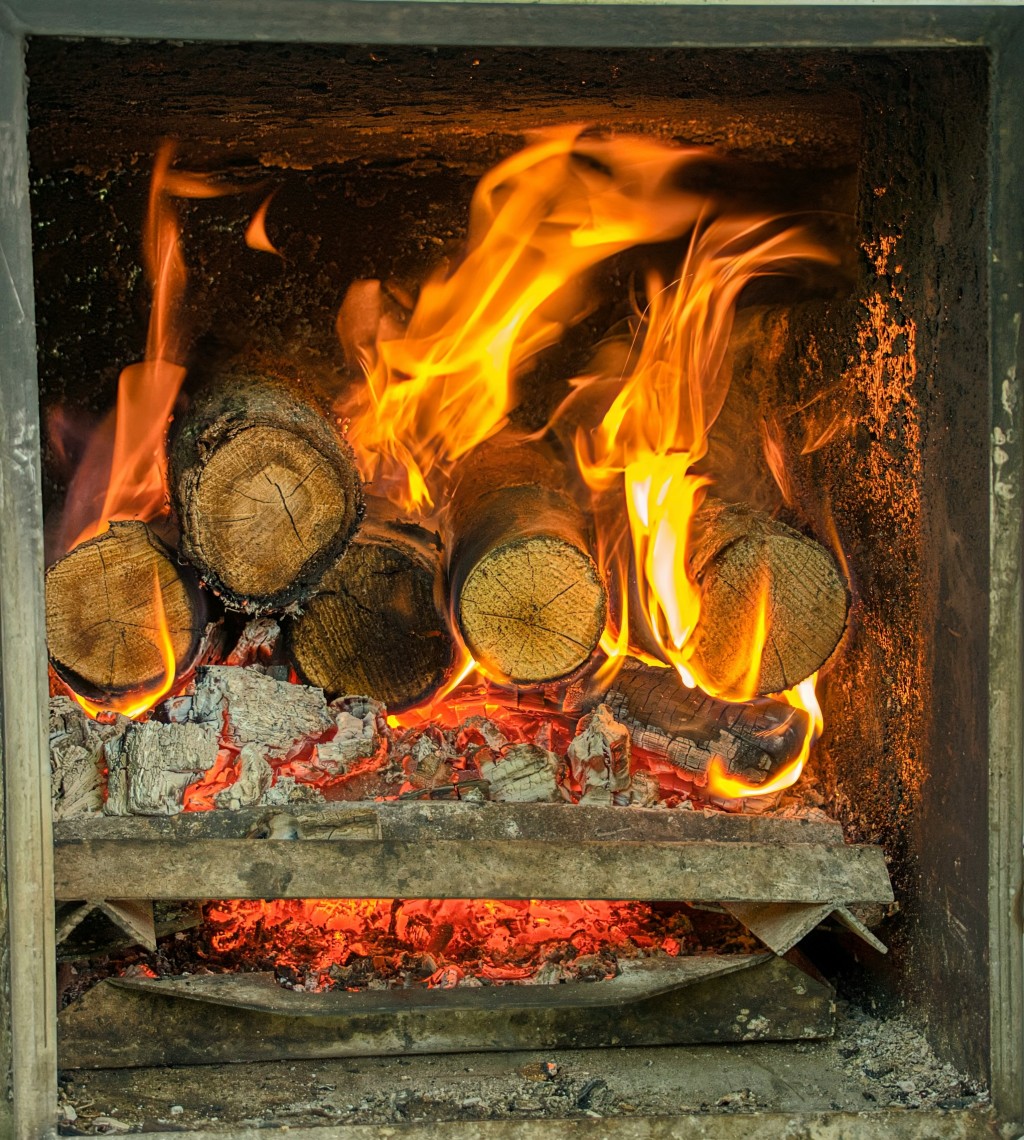
When temperatures fall well below zero across Estonia and Latvia, heating systems are working hard to keep homes and public buildings warm. This is also the time when we all need to pay closer attention to fire safety and follow basic safety rules when heating our homes.
Our cross‑border project FireStop is working on a longer‑term solution for safer wooden buildings. The project develops a more sustainable and ecolabelled fire‑retardant for wood, made mainly from renewable raw materials and designed to have reduced leaching and lower environmental impact. It specifically addresses the problems of existing fire‑retardants that wash out in rain, water and snow, lose their protective effect and can cause environmental harm.
FireStop also tests the new fire‑retardant in climate chambers, where moisture and temperature are controlled, and under real outdoor conditions. This helps to ensure that the coating remains effective when wood is exposed to the typical weather conditions in our region, including snow, moisture and UV radiation.
While the FireStop project is working on long‑term solutions for safer wooden buildings, there are also simple steps each of us can take right now to reduce fire risks during this cold period.
Five tips for safe heating during extreme cold
1. Have your heating systems and chimneys professionally checked.
Before the heating season, a certified chimney sweeper should inspect and clean your stoves and chimneys, and any faults should be repaired by a qualified stove builder. In apartment buildings and row houses, annual cleaning by a certified professional is mandatory.
2. If you heat with wood, use only dry firewood.
Moist wood creates excess soot and burns inefficiently, increasing the risk of chimney fires and poor heating performance.
3. Keep the damper fully open while heating.
A closed or partially closed damper can trap smoke and toxic gases, including carbon monoxide, inside the home.
4. Handle ash safely.
Always place hot ash into a metal container with a lid. Never use plastic bags or store ash indoors, as smouldering embers can ignite long after the fire seems out.
5. Make sure your smoke detector and carbon monoxide detector work.
Every home should have functioning detectors, especially in rooms with heating appliances. Test them monthly.
So while you keep your home warm during this cold spell, please heat carefully and follow fire‑safety guidance. In the longer run, FireStop aims to help make wooden buildings across Estonia and Latvia safer and more environmentally friendly in all seasons.

