
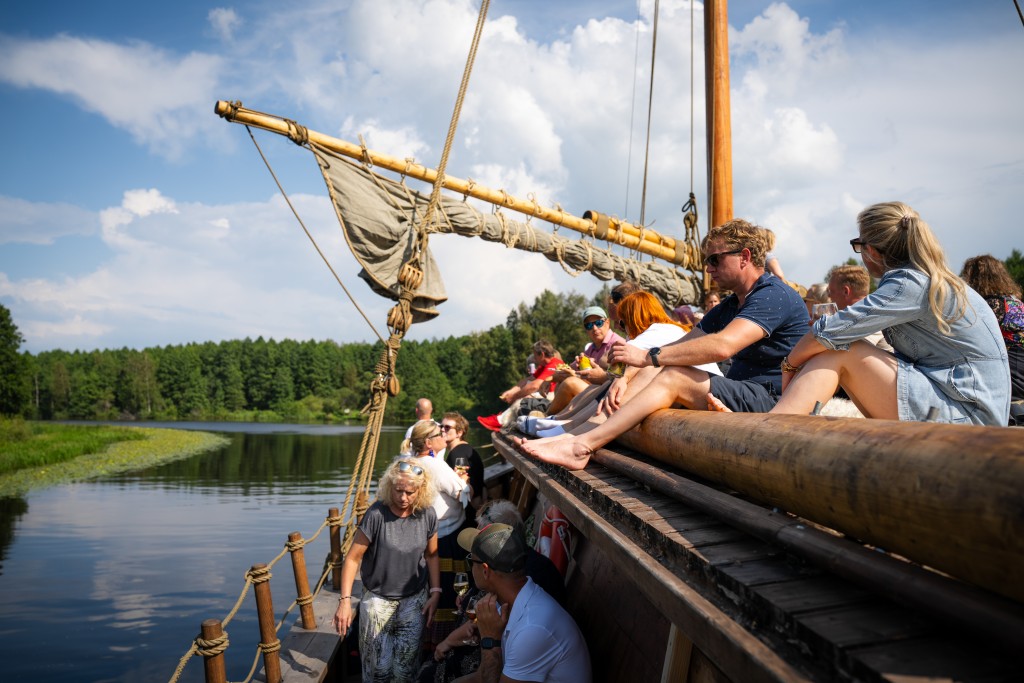
A new strategic development vision has been prepared for the Võrtsjärv-Emajõgi-Peipsi (VEP) water area. Led by Tartumaa Arendusselts and developed together with regional and international partners, the vision is based on two comprehensive strategy documents – one focusing on the development of the VEP region and the other on the advancement of the Emajõgi-Gauja (Koiva) river area to strengthen cross‑border cooperation with Latvia.
The strategies are currently in draft form and open for public feedback before finalisation.
Kristiina Tammets, CEO of Tartumaa Arendusselts, said that the strategic development vision highlights the creation of an accessible and functional inland-waterway network and infrastructure. It also brings greater attention to nature conservation, environmental awareness and the appreciation of cultural heritage associated with inland waterways.
“In addition to the development of the Võrtsjärv-Emajõgi-Peipsi region, we are focusing strongly on cross-border cooperation with Latvia. This helps support the Emajõgi-Koiva river area in becoming a sustainable tourism destination and increases community involvement in long-term cooperation with our southern neighbours,” Tammets said.
Both strategy documents include action plans outlining priority activities for the next years, including several pilot initiatives.
The strategy “Developing the Võrtsjärv–Emajõgi–Peipsi Network and Inland Waterway” provides a strategic vision for the entire region, considering environmental protection as well as socio‑economic aspects. The project focuses on the Emajõgi River and Estonia’s two largest lakes – Võrtsjärv and Peipsi – and includes several pilot activities already launching this year.
The strategy highlights three main themes: tourism, environment, and access to water (ports, boat docks, shoreline infrastructure).
A strong emphasis is placed on the VEP regional cooperation network involving more than 60 organisations from the public, private and non-profit sectors, working together to advance inland-waterway development. Existing development plans, strategies and consultation results have been incorporated to ensure continuity and reflect the needs of local communities.
According to Sven Tobreluts, Executive Director of the Association of Municipalities of Tartu County, the VEP strategy is an important tool for local governments, helping align development activities and provide a clear direction for future investments.
“The strength of the VEP strategy lies in its broad cooperation network and the involvement of entrepreneurs and communities. This ensures that development activities meet local needs and support the region’s long-term development,” Tobreluts noted.
He added that the smart use of inland-waterway potential contributes to both local entrepreneurship and overall quality of life.
The strategy “Gauja and Emajõgi Strategy 2040 and Action Plan” provides a shared strategic direction for Estonian and Latvian partners for the development of the Gauja and Emajõgi river basins. The goal is to strengthen cross-border cooperation to ensure balanced socio‑economic development aligned with environmental objectives.
In Estonia, the strategy includes the Emajõgi river area across Tartu County – the municipalities of Elva, Luunja, Kambja, Tartu, Kastre and Peipsiääre, as well as the City of Tartu. In Latvia, it focuses on the Gauja river area mainly within the municipalities of Ādaži, Sigulda and Saulkrasti.
In the Emajõgi region, pilot activities focus on showcasing local food and cultural heritage through river journeys, mapping the history and stories of inland waterways, and offering new types of visitor experiences. Together with Latvian partners, joint solutions are being developed, including multilingual audio guides and a joint introductory video to present the Emajõgi and Gauja areas as a single cooperation region.
Aris Adlers, Board Member of the Latvian organisation “Jūras Zeme”, noted that joint pilot activities and investments help gradually strengthen the broader cross-border river network.
“It is important for us that joint activities bring practical benefits to both local residents and entrepreneurs and encourage people to spend time by the rivers while valuing a clean natural environment,” Adlers said. “In the Gauja river area, we are testing new approaches including an inland-water festival in Carnikava and experiential boat trips that bring together the river, local communities and riverside businesses.”
The strategies were prepared in cooperation with partners from Estonia and Latvia. The development process was led by Tartumaa Arendusselts, the Association of Municipalities of Tartu County, the Association of Municipalities of Viljandi County and the Latvian fisheries local action group “Jūras Zeme”, and coordinated by Cumulus Consulting.
Municipalities, entrepreneurs, research and development institutions, NGOs and communities from both countries were actively involved.
Ongoing collaboration and network activities will support the implementation of strategic actions. Pilot projects will help test the feasibility of the strategy’s goals and create a foundation for sustainable long-term cooperation.
Have your say ! Feedback is welcome until 20 March 2026
Both strategy documents are open for public feedback until 20 March 2026.
Stakeholders, local residents and community members are warmly invited to review the draft strategies and contribute comments or suggestions.
You can review the strategies and Related materials here.
About the Projects
The preparation of the Võrtsjärv-Emajõgi-Peipsi and Emajõgi-Gauja strategies took place within two cooperation projects:
-
“River Networks”, co‑funded by the Interreg Estonia–Latvia Programme 2021–2027, supporting the sustainable development of the Emajõgi and Gauja river basins. More information is available here.
-
“Developing the Võrtsjärv–Emajõgi–Peipsi Network and Inland Waterway”, funded under the call “Regional Entrepreneurship and Living Environment Development – South Estonia” (2021–2027). More information is available here.


