

Harvesting Report is a document that collects and summarises feedback, evaluations, and insights from various participants, offering a look at the effectiveness of a programme. In this case, the report compiles the opinions of both the public and key figures involved in the programme, aimed at assessing its successes, challenges, and opportunities for the future.
The Interreg Estonia-Latvia Programme focuses on promoting cooperation across the border regions of Estonia and Latvia. The goal of the Harvesting Report is to evaluate the impact of this cross-border collaboration and gather suggestions for improvement.
Feedback for the report was gathered over a six-month period, from 16 April 2024 to 23 October 2024. A total of 172 citizens participated through a questionnaire, which was available in Estonian, Latvian, and English. These citizens included people living in the programme's core regions of Estonia and Latvia, and their responses provided quantitative data on key issues related to cross-border cooperation.
Additionally, key stakeholders—including representatives from Programme authorities, regions, and projects—were consulted through two interviews.
Three focus-group interviews were also conducted with young people, adding qualitative insights to the report. This combination of citizen input and expert perspectives provided valuable feedback to assess the programme’s impact and future potential.
Some of the key findings from the report include:
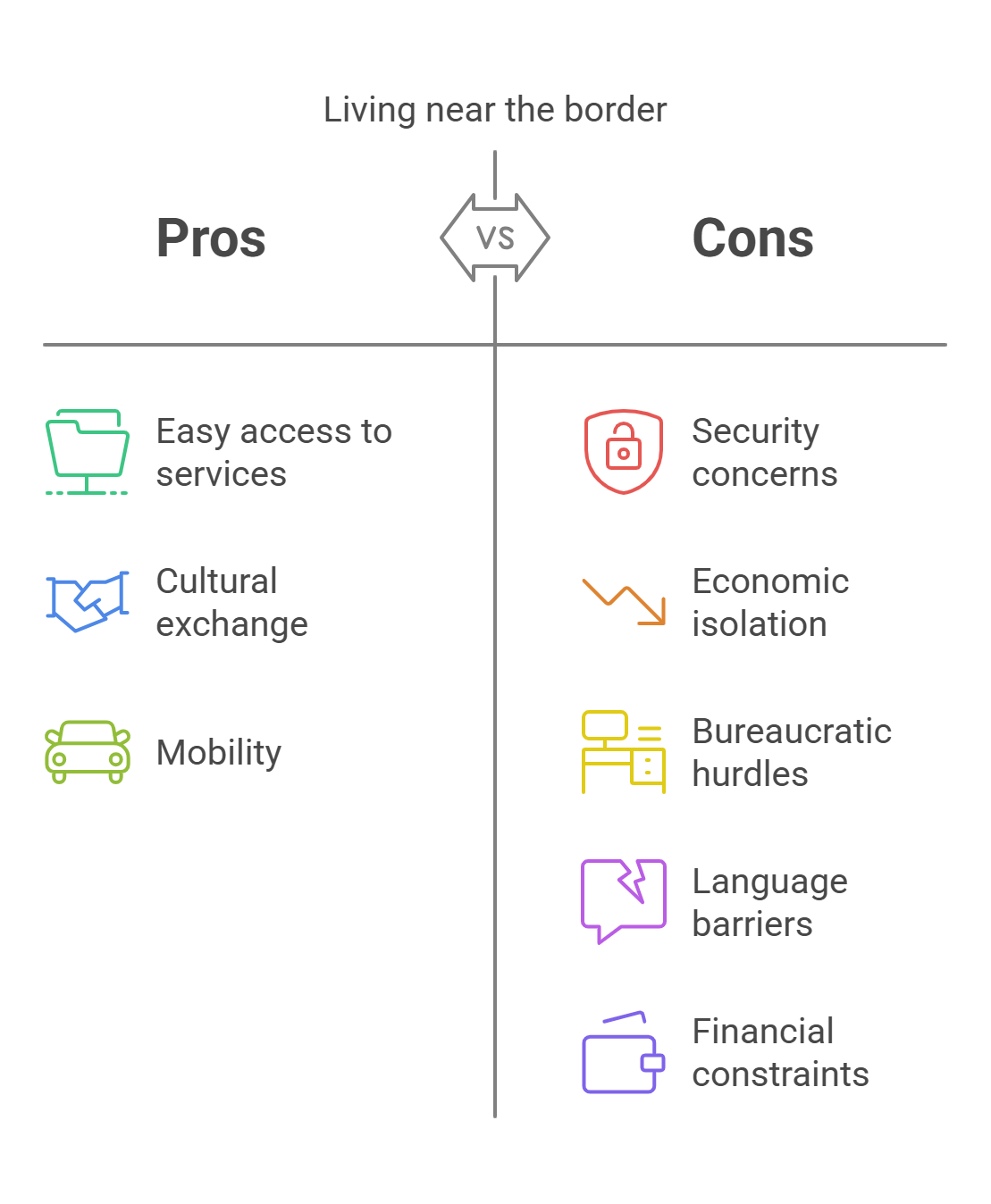
- Living near the border is an opportunity, with respondents highlighting the benefits of easy access to services, cultural exchange, and mobility. However, some expressed concerns about security and economic isolation.
- Environmental cooperation is a major priority, with respondents stressing the need for joint efforts in areas such as biodiversity conservation and pollution management.
- Challenges in cross-border cooperation include bureaucratic hurdles, language barriers, and financial constraints, areas where there is potential for improvement to enhance the effectiveness of the programme.
- Suggestions for the future include simplifying funding processes, providing more support to smaller organisations, and focusing on projects that address sustainability and resilience.
-
The report concludes with several recommendations for the post-2027 period, such as greater flexibility in programme funding, more inclusive participation, and an emphasis on long-term cross-border initiatives that address both local and regional challenges.
To read the full report and explore all the findings, please download it here.

