
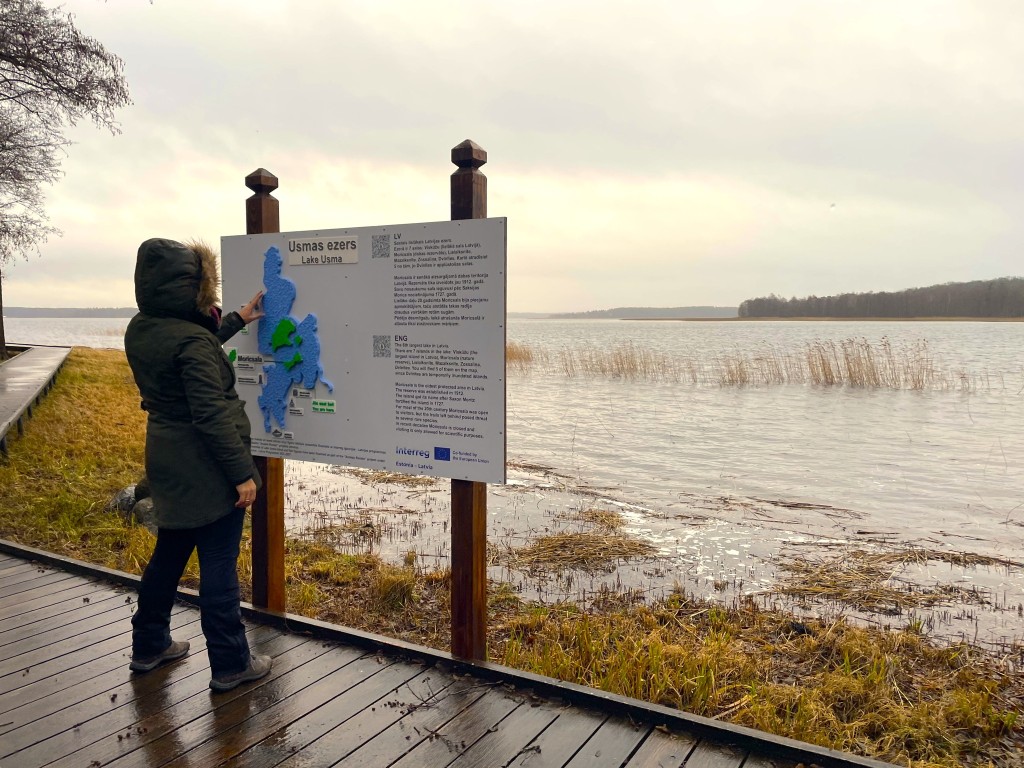
Accessible tourism isn't just about compliance—it’s about creating equal opportunities for all travelers to enjoy cultural and natural heritage. By improving accessibility in Latvia and Estonia, the Access Routes project is not only enhancing travel experiences for people with disabilities but also fostering a more inclusive and sustainable tourism industry.
Accessible tourism ensures that travel experiences are designed to accommodate individuals with disabilities and other mobility challenges, regardless of their physical, sensory, or cognitive abilities. This approach benefits a wide range of people, including individuals with disabilities, elderly travelers, families with young children, and anyone who faces mobility challenges. By improving accessibility in infrastructure, services, and information, accessible tourism ensures equal opportunities and a barrier-free travel experience for everyone.
About the project Access Routes
Launched in October 2023, the Access Routes project focuses on enhancing accessible nature and cultural tourism in Latvia and Estonia. It aims to develop 30 fully accessible 1-3 day travel routes, expanding the network of inclusive tourism destinations available on mapeirons.eu. The project also works towards standardized accessibility criteria and the introduction of a "Disability Friendly" quality mark to help visitors easily identify accessible locations.
Key achievements so far
Tactile installations
|
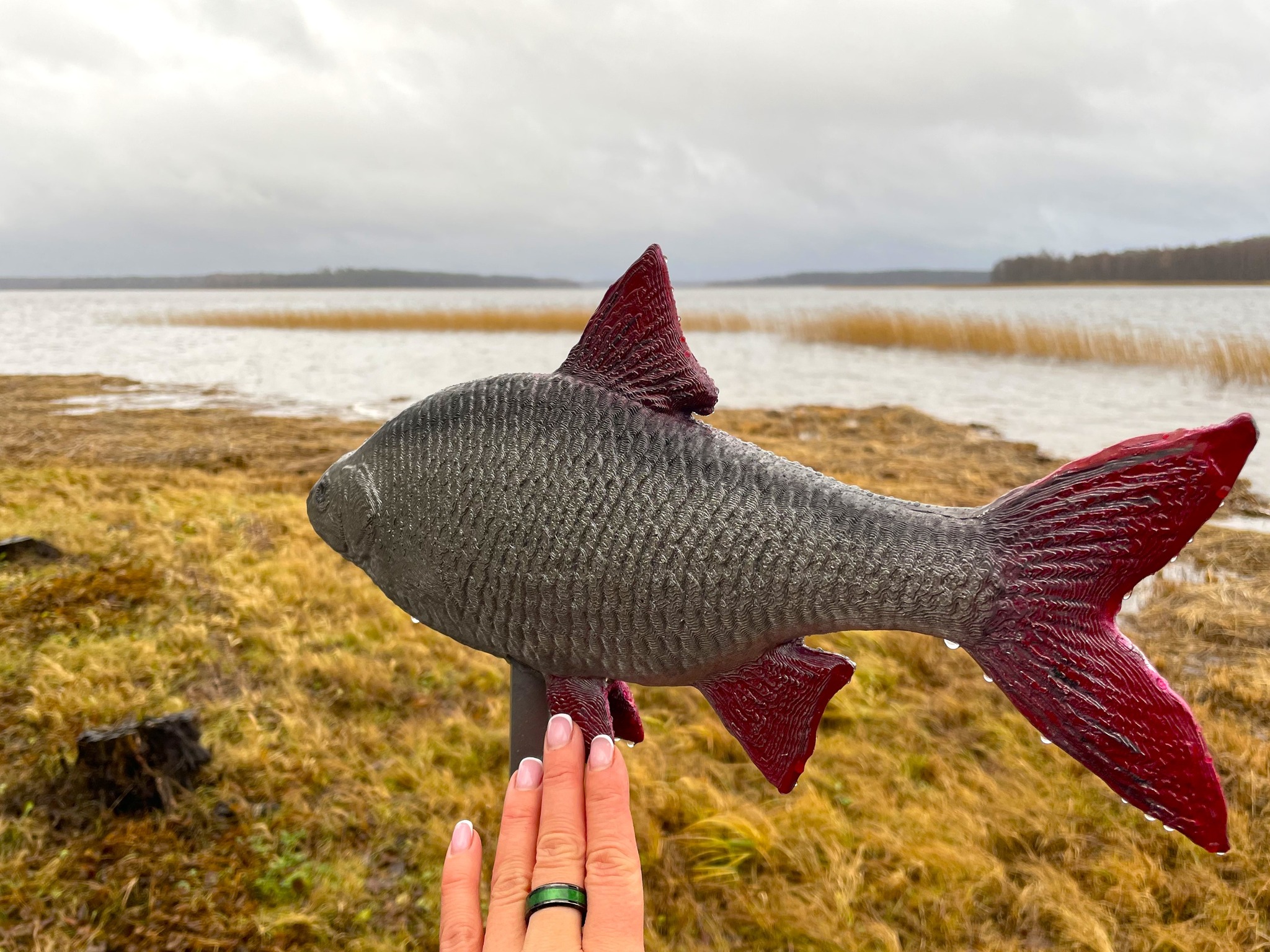
The project is in the process of implementing innovative tactile solutions at 21 locations—12 in Latvia (Kurzeme and Vidzeme) and 9 in South Estonia. These installations will provide an interactive way to experience nature and cultural sites, enhancing accessibility for visually impaired visitors. |
|
Accessibility Inspections
|
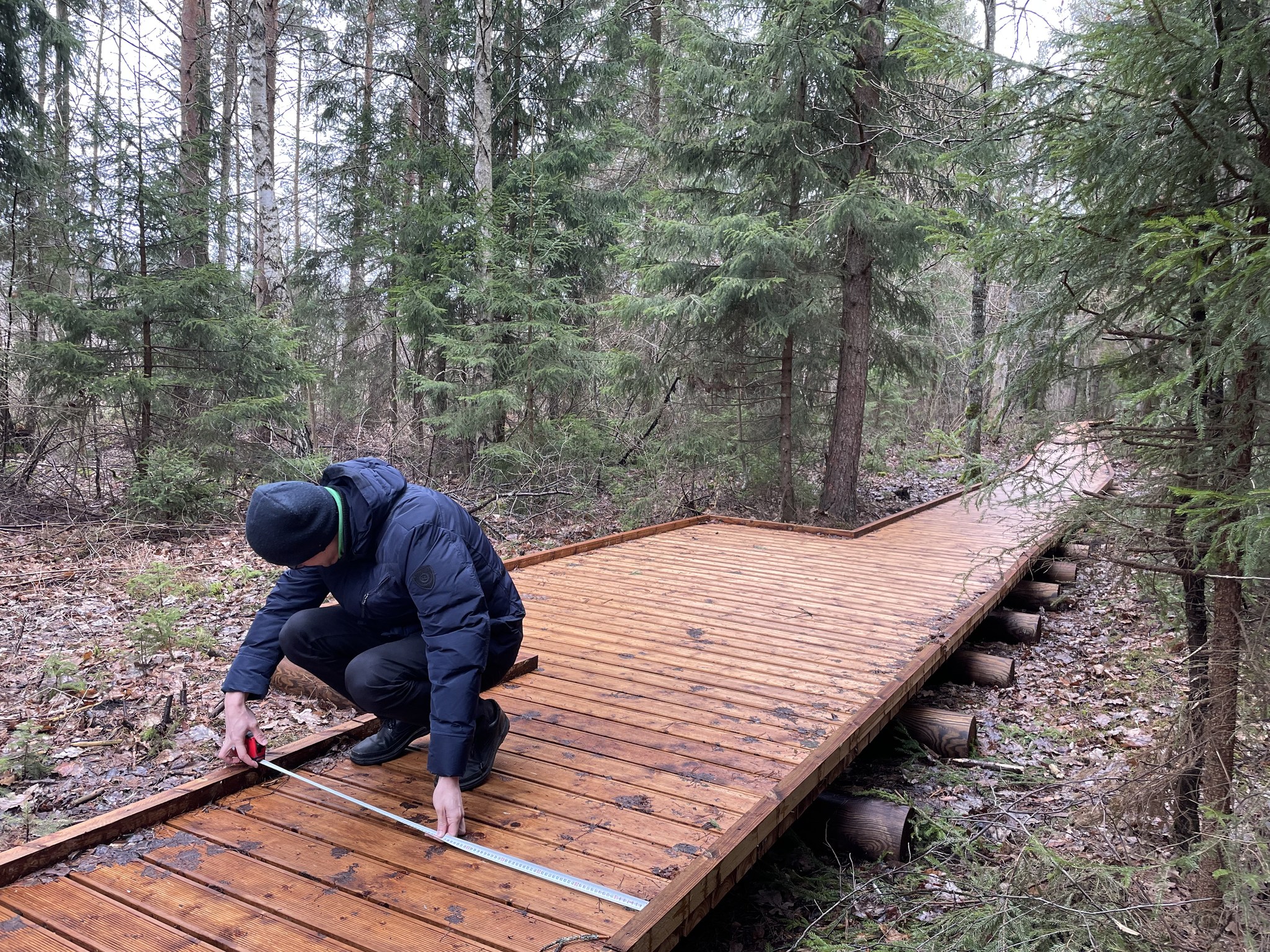
Throughout summer 2024, project partners conducted on-site evaluations in Kurzeme, Vidzeme, Tartu, and Võru counties. They assessed nature trails, museums, accommodations, and tourism services to identify accessibility gaps and areas for improvement. “Access Routes” project starts accessibility inspections in Kurzeme |
|
Experience Exchange Visits |
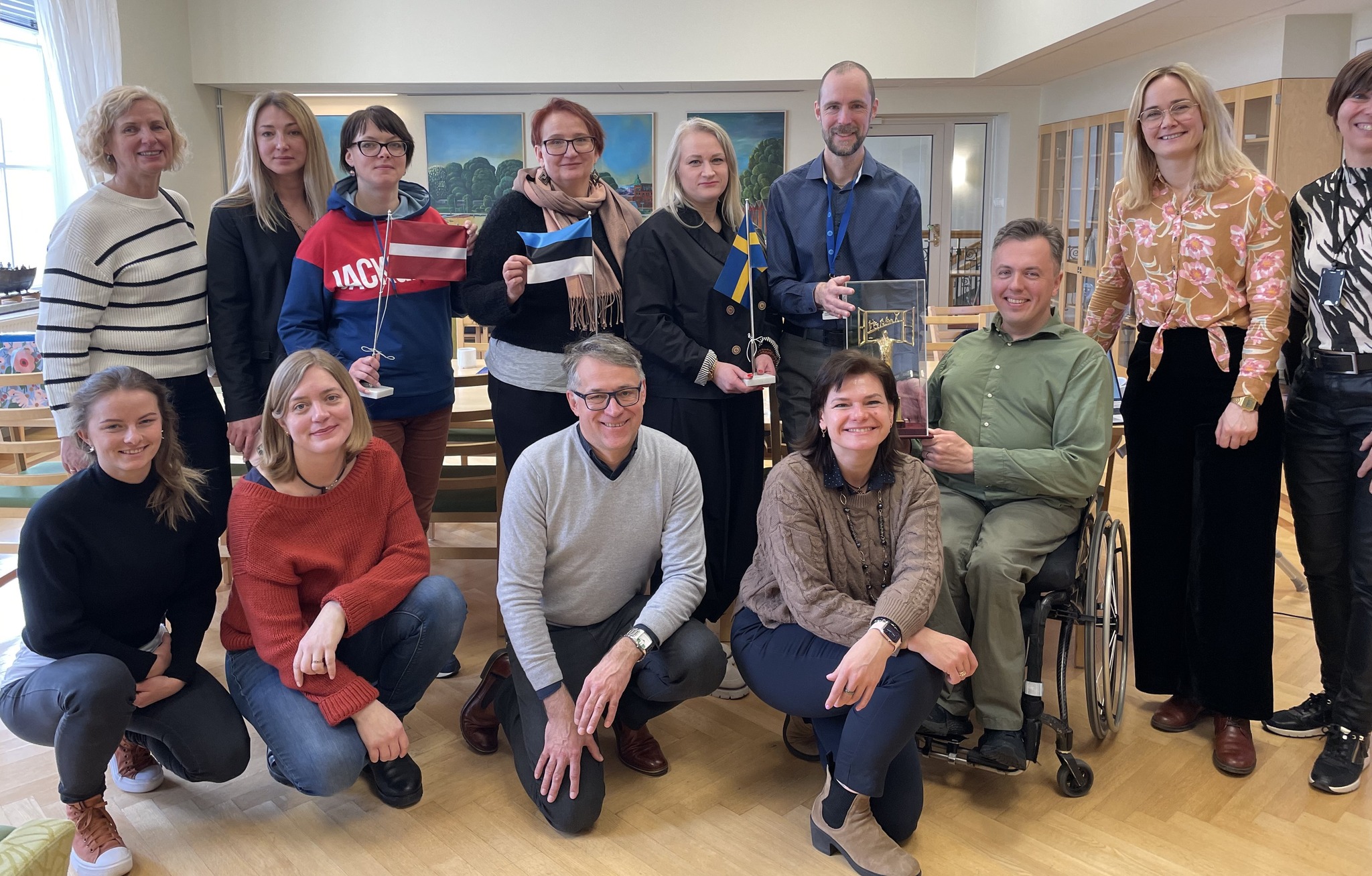
In February 2024, project representatives traveled to Estonia to learn from best practices in cultural and nature site accessibility. This was followed by a March 2024 visit to Sweden, where partners explored advanced accessibility solutions in museums, cultural institutions, and outdoor recreation sites. These visits provided invaluable insights to implement in the Baltic region. “Access Routes” project experience exchange visit in estonia |
|
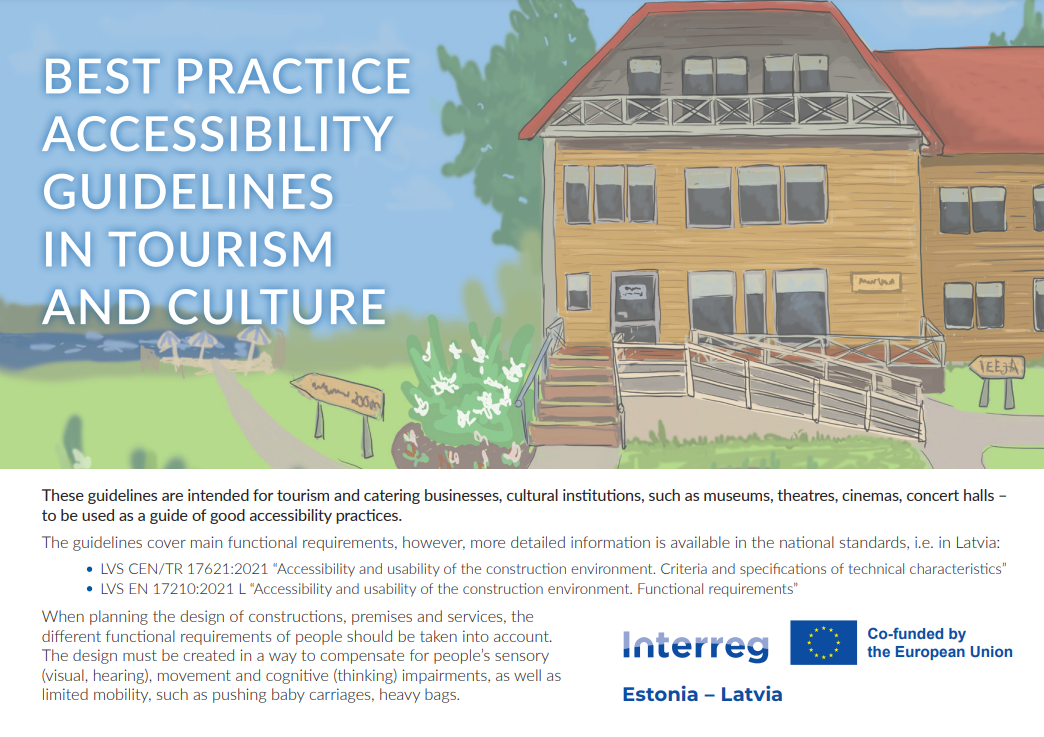
Best Practice Accessibility Guidelines |
Recognizing the importance of setting clear accessibility standards, the project released user-friendly guidelines in July 2024. These serve as a practical resource for museums, cultural institutions, cafes, and accommodations, helping them implement sustainable accessibility improvements. Best practice accessibility guidelines in Latvian, Estonian and English |
|
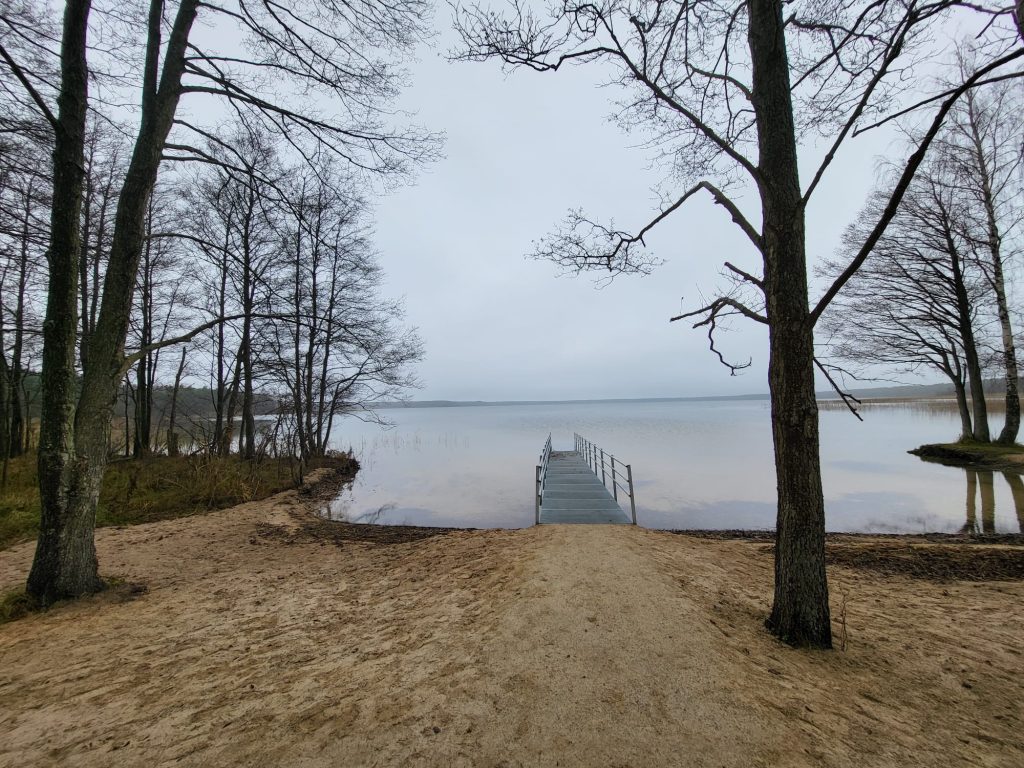
New Accessible Beach in Ventspils |
The Lake Būšnieki beach has successfully completed its major accessibility upgrade and is now fully operational. This initiative ensures that people with mobility impairments can comfortably enjoy nature in an inclusive recreational environment. |
|
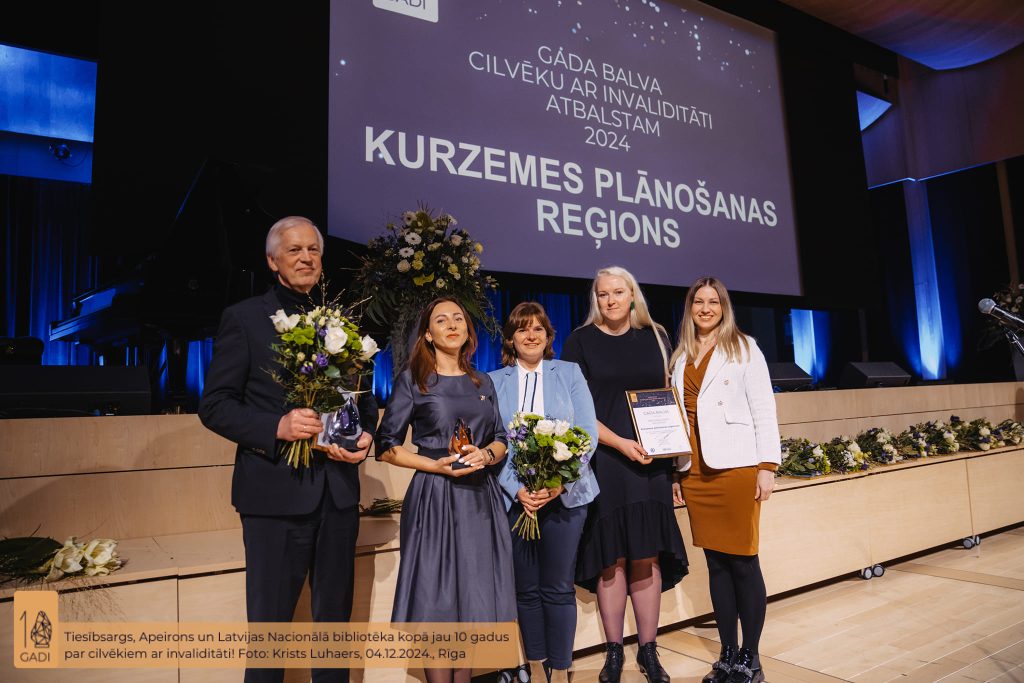
Recognition for Inclusive Efforts |
In 2024, the Kurzeme Planning Region received the Annual Award for Supporting People with Disabilities, acknowledging the project’s impact in promoting inclusivity and breaking barriers in tourism. Ombudsman’s Annul Award for Supporting People with Disabilities 2024 |
|
The Access Routes project is co-funded by the Interreg Estonia-Latvia Programme, with a total budget of €1,118,217.50, of which €894,574.00 is co-financed by the European Regional Development Fund (ERDF). The project is implemented by a strong partnership, including:
-
Kurzeme Planning Region (Lead Partner, Latvia)
-
Vidzeme Planning Region (Latvia)
-
Estonian Chamber of People with Disabilities (Estonia)
-
Development Centre of Võru County (Estonia)
-
Tartu County Tourism Foundation (Estonia)
With the project running until March 2026, together, these partners work towards making tourism in Latvia and Estonia more accessible and inclusive for all visitors. As more accessible trails, services, and tourism infrastructure are introduced, Latvia and Estonia are moving closer to becoming truly welcoming destinations for all.

